A wasp sting is described as being “caustic”, comparable to dousing a wound with hydrochloric acid. I personally have never been stung by a wasp but if you’d like to approximate the burning sensation, I believe you can achieve it by suggesting that an Italian deviate from their strongly held beliefs around food. For example, you may propose adding pineapples on pizza. Or attempt to order a post-lunch cappuccino. Or watch the violence ensue when you seek out chicken for your pasta, or worse, a side of ketchup. So numerous are their rules that surely you’ve either been in close proximity to or at the receiving end of their ire what with all their dramatics, wrist-flicking, and exhortations to La Madonna.
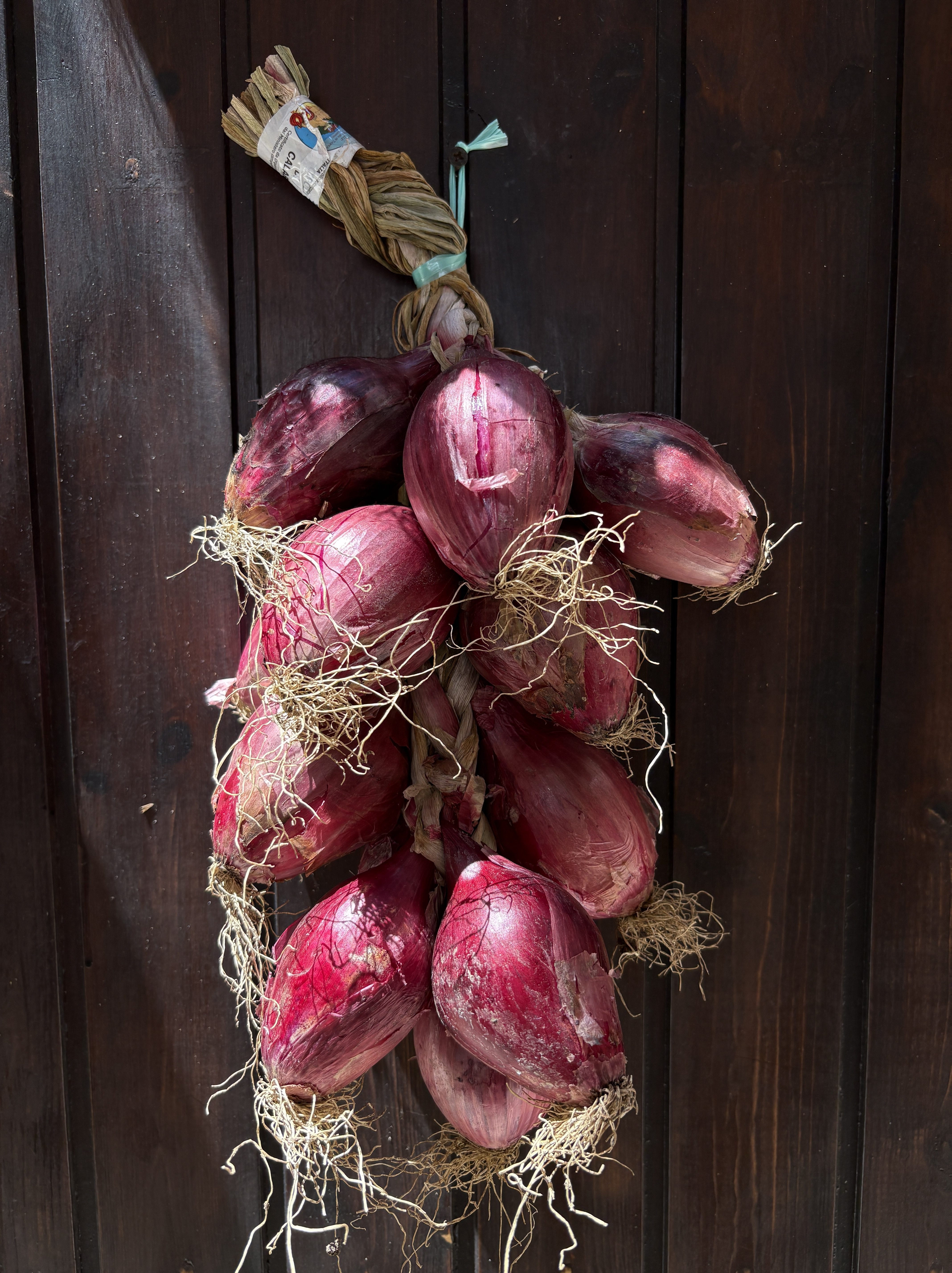
Your reaction to their hysterics is, like mine, likely one of annoyance. Do they really have to opine incessantly about how any reinterpretation of their cuisine by non-Italians is tantamount to the sack of Rome? Do they really have to scoff at pistachios unless they’re from Bronte, red onions unless they’re Tropean, and so on? Have they even at least tried some of the objects of their hatred to verify if they deserve such vitriol? Do they know that many of their beliefs are built just as much on myths1 as fact? And thus, their rigidity is ignorant at best, inhospitable at worst. But wait…what if they’re actually right? What if such insufferable inflexibility is more than just a cultural quirk to defend an “imagined” cuisine but has actually done much to protect very real ingredients and the people who grow them against the relentless assault of global mass industrialization? A defense that at least in the Philippines, we are failing at?
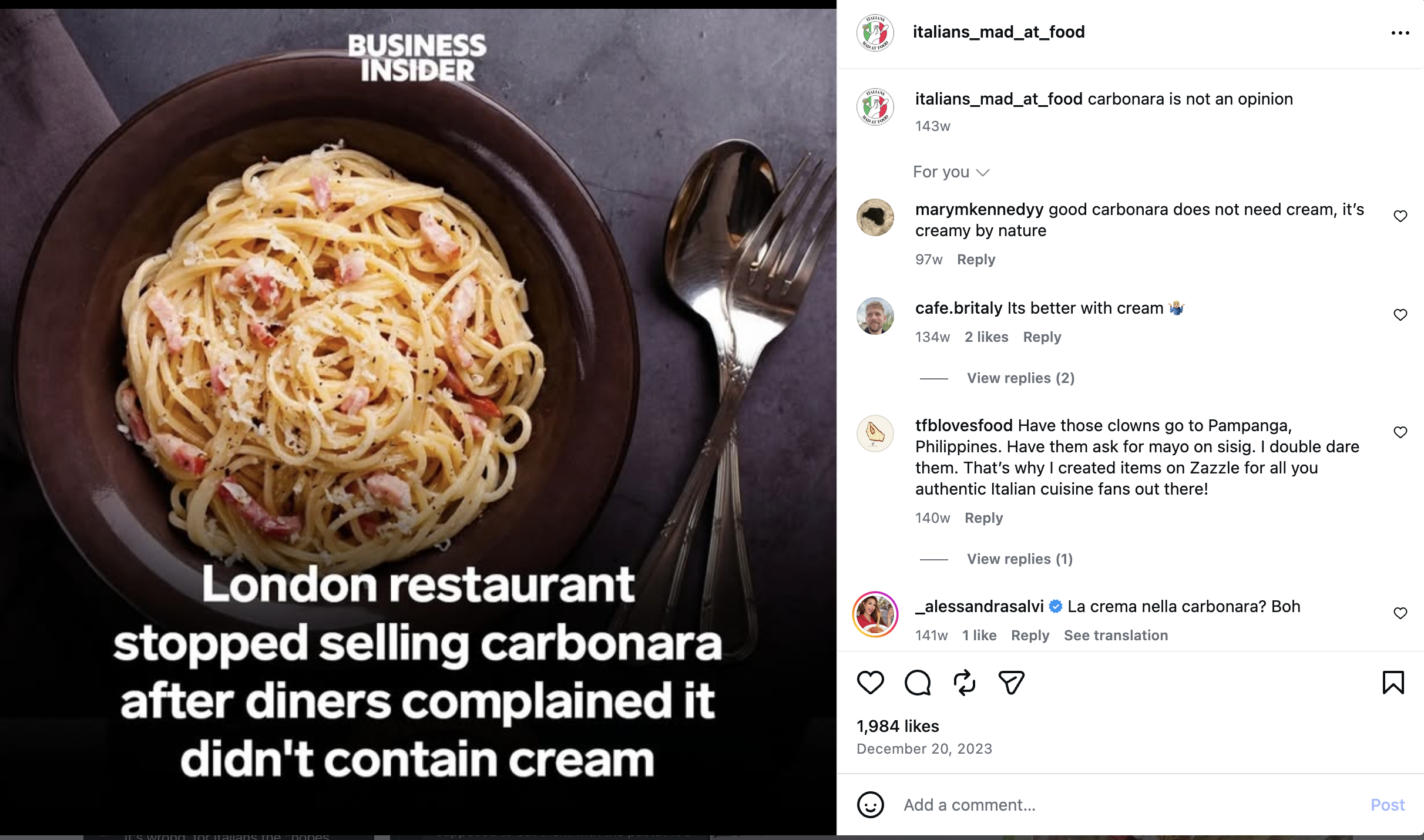
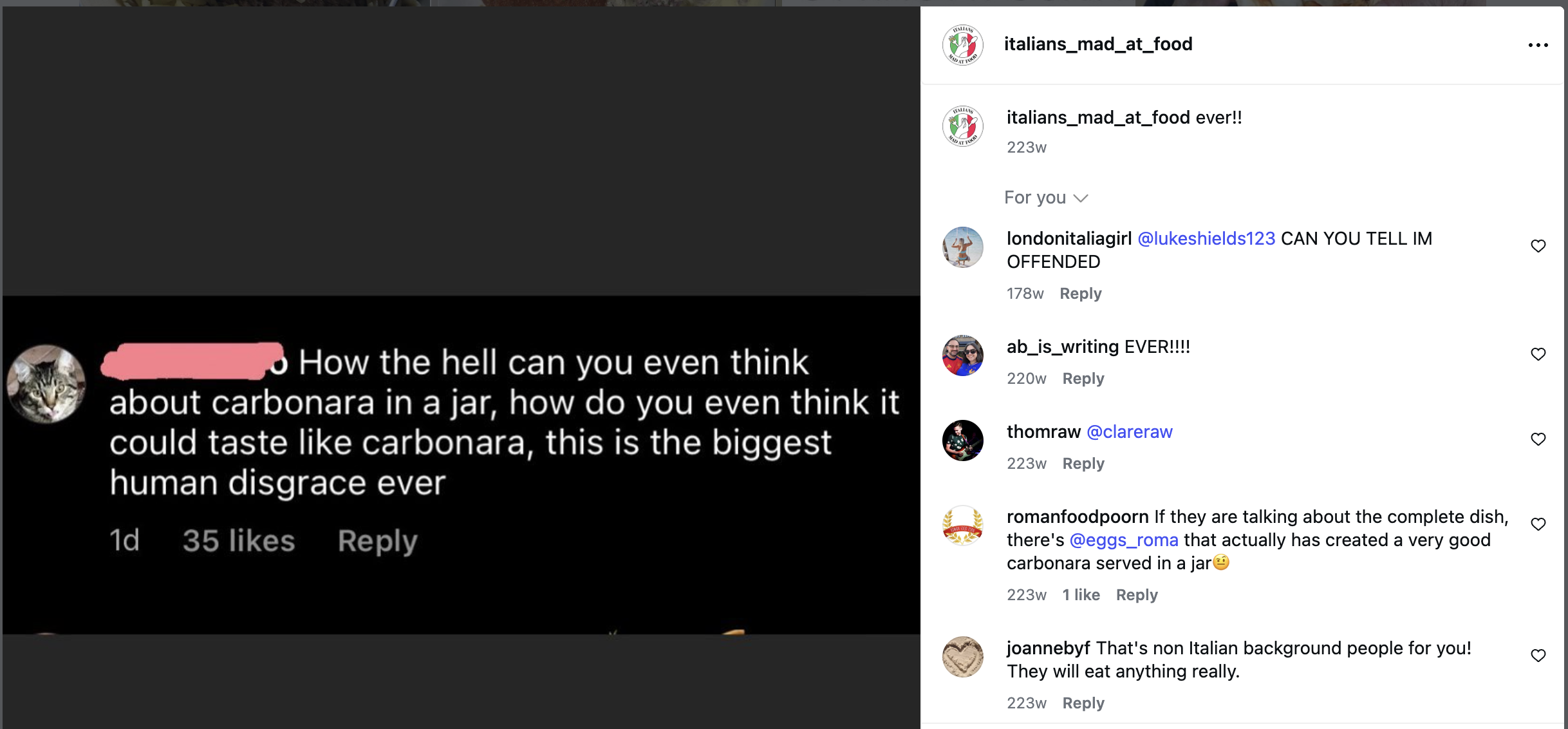
Let’s take the supposedly inviolable Carbonara that’s the subject of countless influencers clutching their pearls at any attempt to substitute Pecorino Romano for any other cheese as an example2. Had said influencers not collectively shamed us all for such deviant thoughts (see: the colorful variations of “che schifo” one can find in the comments section of the “Italians Mad at Food” IG account), we wouldn’t all have been well-conditioned to know what Pecorino Romano is, how to pronounce it, and ultimately, seek it out at markets. Had said influencers not collectively flicked their wrists at us for even suggesting we use regular green tub parmesan, would Sardegna have its 39 million kilo Pecorino Romano industry? Yes you can argue that such recipe rigidity is impractical (and in the subject of a different piece: an impediment to cultural evolution) when one can’t source Pecorino Romano just anywhere. But the effects on l’industria, l’identità, e la terra are undeniable. Now just imagine this type of full-throated shielding for our Filipino ingredients, whose production, marketing, and consumption often doesn’t benefit their growers, much less us as a people.
When I compare the impassioned defence of their precious plates of pasta to how much we let people get away with when it comes to Filipino food, the difference and the resulting effects are stark. Throw some purple in a latte and call it Ube. Adding any mango lets people lazily tick the “Filipino vibes” checkbox. In the question of Menudo vs. Mechado vs. Apritada vs. Kaldereta, it’s all pretty much the same thing right? Whereas a grown Italian man will cry to the heavens over any deviation of Carbonara. “Ma che cazzo dici? Non puoi mettere il bacon! è guancialeeee!”. I think we Filipinos can stand to learn a little from our cantankerous Italian cousins. “Carbonara is not an opinion,” Italians Mad at Food says. Indeed. It’s a lie. But a very good and useful one! And one that matters even more for us because we arguably have greater biodiversity and opportunities to capitalize on its richness.

My fellow Filipinos will claim perhaps that our cuisine is built on far more complex flavors than the Italian one; it’s easier to defend a 3-ingredient pasta than our most basic soups that boast an entire garden’s worth of produce . That “hospitality” trumps “tradition” for us. That centuries of trade and colonization mean we have no choice but to be more flexible in how we prepare food. Perhaps, but Italy isn’t a monolith either and is a relatively new concept if you consider when Il Risorgimento happened. At the end of the day, the Italians have collectively agreed to their shared myths and have reaped the gains. So while we may be relatively more flexible in our (culinary) identity-building, it shouldn’t be at the expense of the physical realities of environment, craft, economics. Much less the intangible parts of culture.
So yes, be absolutely caustic if people attempt to de-root our ingredients. Insist upon only the best: Mangos from Guimaras, Asin Tibuok from Bohol, Sinigang that uses only Batwan from Visayas, Pili Nuts from Bicol, Rice from the Cordilleras, Muscovado sugar from Negros, Tuna from General Santos, coffee from the Philippines3.
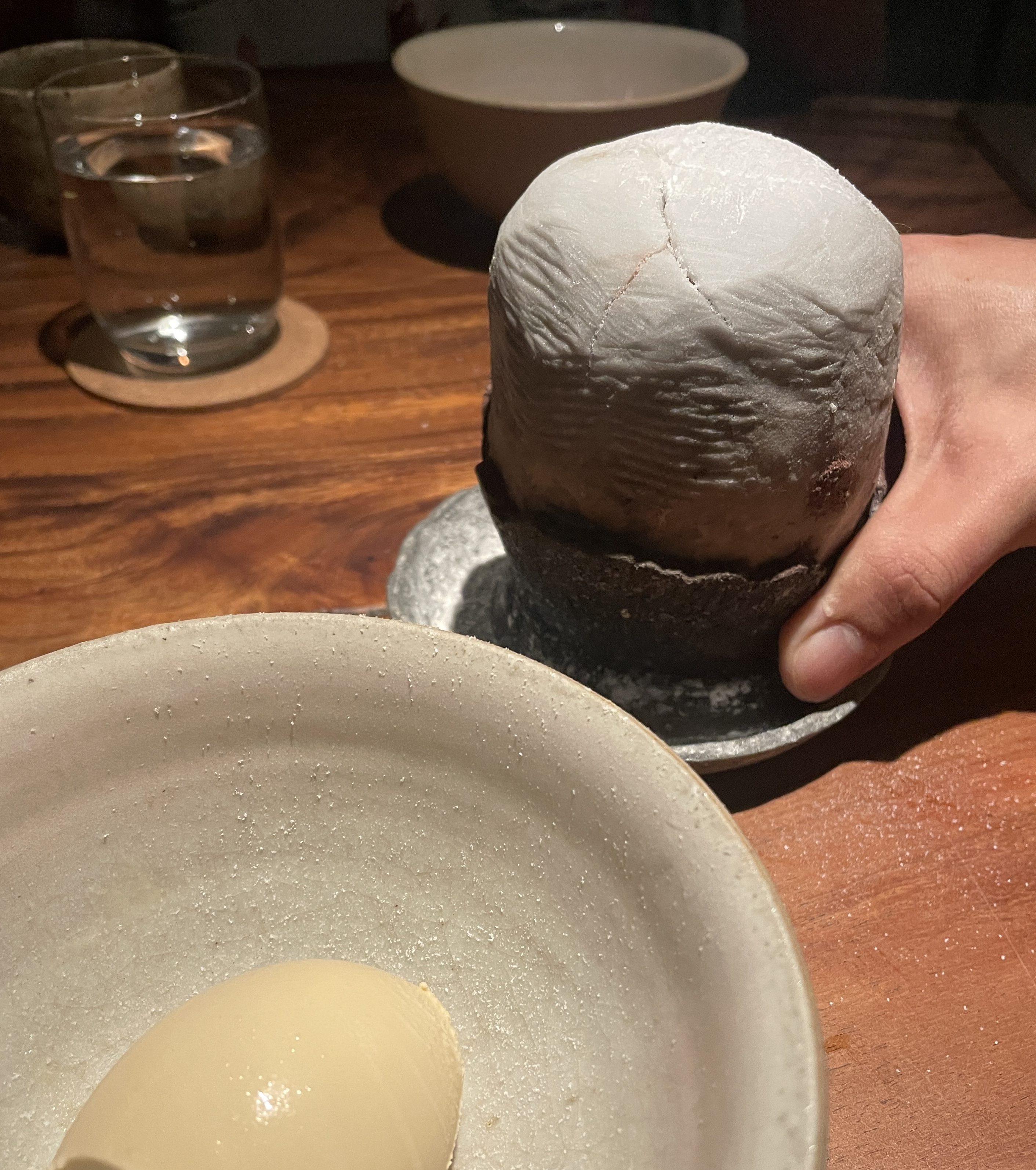
It’s important to acknowledge that there are real systemic issues in our food that no amount of emulation of Italian arm-flailing will fix. The Italians/Europeans have spent decades on their GI system (“geographical indications”. Eg. DOC, DOP, etc.) whereas the Philippines’ is but 3 years old and the aforementioned Guimaras mangoes weren’t even registered until 2023 despite us knowing of them for decades. Entire research papers can also cover the fact that our industries were subject to heavy industrialization by our colonial masters and that we are still a country of dynastic landlords.
Still, while the system slowly changes, it is my opinion that we as common can at the very least resist the urge to be our usual easygoing, “Bahala na” and “Kahit ano lang” selves when it comes to our food and adopt a bit of that Italian insufferability. Our food just might depend on it.
1 See: pizza, pasta, tomato sauce, Pasta Carbonara, Fettuccine Alfredo.
2 Pecorino Romano isn’t the only thing that rests on shaky culinary history ground in the matter of Carbonara. Even the use of guanciale isn’t something enshrined in centuries of practice.
3 Philippines is one of the only countries producing all four coffee varieties: Robusta, Arabica, Liberica, Excelsa.

