This is Part 2 on a series comparing approaches to cuisine between Filipinos and Italians. Read Part 1 “In Defense of Italian Insufferability” here.
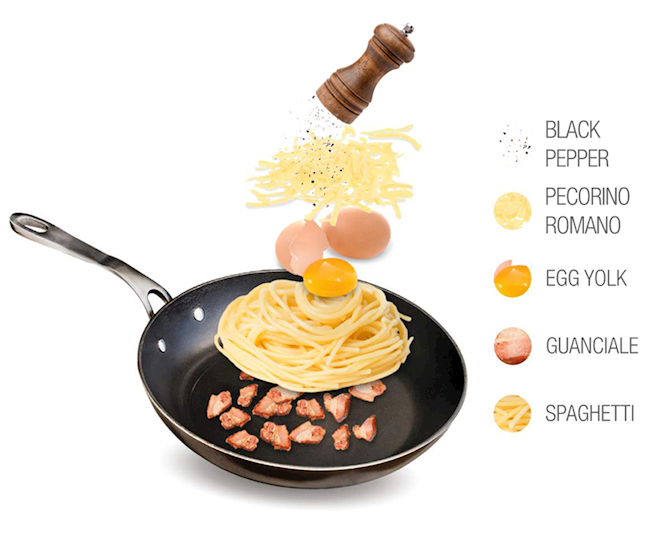
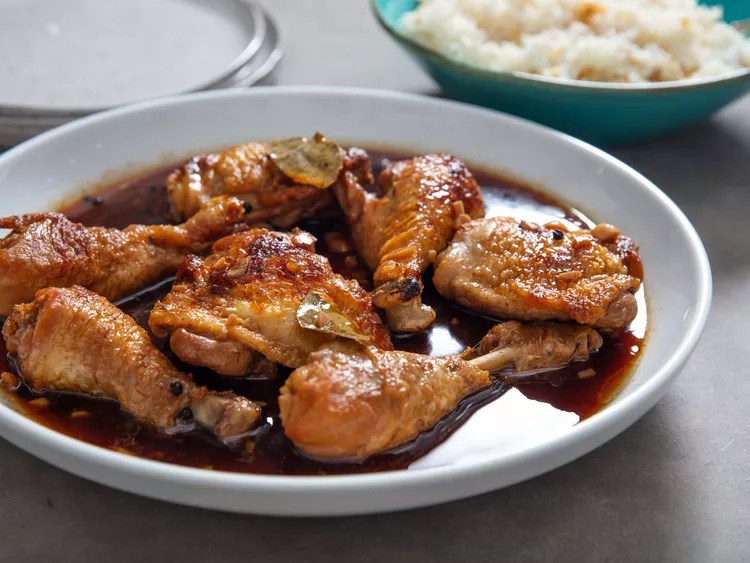
The “official” recipe for Italian carbonara (spoiler: there actually isn’t one, but we’ll get to that shortly) states that, on pain of death extremely vociferous protestations, one must use guanciale, pecorino romano, egg, and pepper. E Basta. No exceptions. Not even if all that was available at the store was pancetta nor if prohibitively high import costs meant having to use a different cheese. Apparently, Filipino adobo also only has a handful of “correct” ways to make it, judging from the equally loud arguments I’ve witnessed. Meat, vinegar, soy sauce, pepper, bay leaf. E basta. Such insistence despite there being countless variations from ones containing no soy sauce (adobo sa puti), ones with turmeric (adobo sa dilaw), with coconut milk (adobo sa gata), or even ones with oyster sauce and shiitake (my Chinese mom’s version). If the adobo variants are as numerous as the islands of the Philippines, why do we do the disservice of shoving it into a narrow definition a la carbonara?
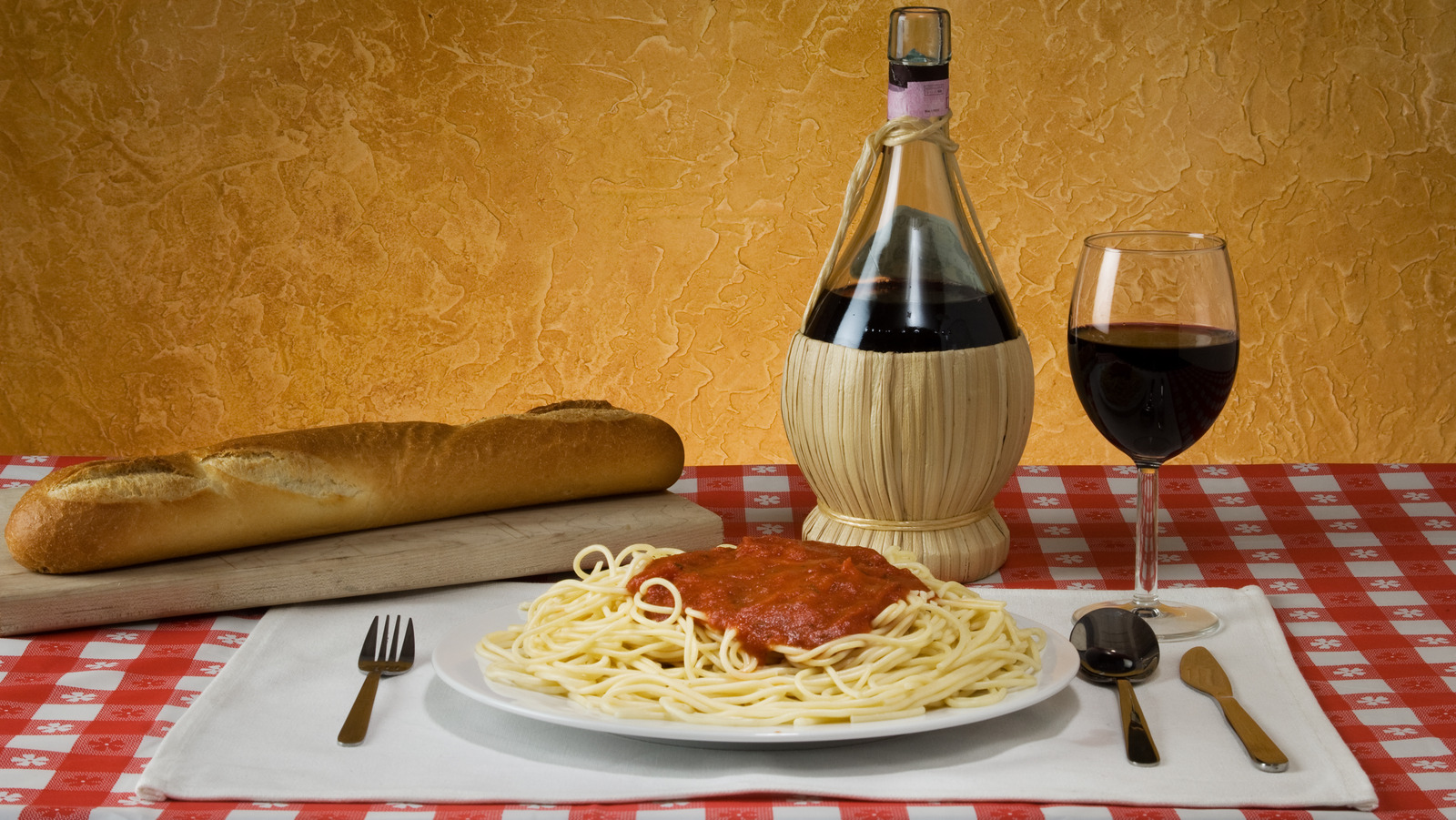
In my last piece I spoke about how Filipinos can learn a bit from the “inflexibility” of the Italians when it comes to their food be it an absolute refusal to consider any adjustments to what they believe is the “right” way (spoiler alert once more: there isn’t one) to make something or enshrining ingredients and even recipes with legal protection. Such inflexibility has actually done much to protect people, land, and tradition. Even if its oftentimes insufferable. However, this same rigidity is paradoxically what can eliminate the very things that make us celebrate these cuisines today: the ability for food to bring people together and to highlight the best that the land has to offer. By eliminating the ever-changing soul of a cuisine in the name of some imagined tradition, we limit ourselves to serving mere caricatures; carbonara served in pans on red-checkered tablecloths with bottles of Chianti in wicker baskets on a terrace packed with tourists swooning over the authenticity of it all.
To insist on the prevailing recipe for carbonara insists that Italian food (and perhaps by extension, Italians) can only look and sound one way. To insist on only a few ways to cook adobo is to tell the countless Filipinos in the Middle East or those who are vegan that having no access to pork means that some crucial part of adobo is simply inaccessible to them. Besides excluding people from the cultural table and turning the cuisine into a stereotype, insisting on these arbitrary rules means using unnecessarily long and extractive supply chains to get that one ingredient just because “someone said so”. But surely there must be some balance right? Where is the line between tradition and adaptation? How do you retain the identity of a cuisine as it evolves while simultaneously preventing it from calcifying? It starts with understanding the cuisine in the proper context.
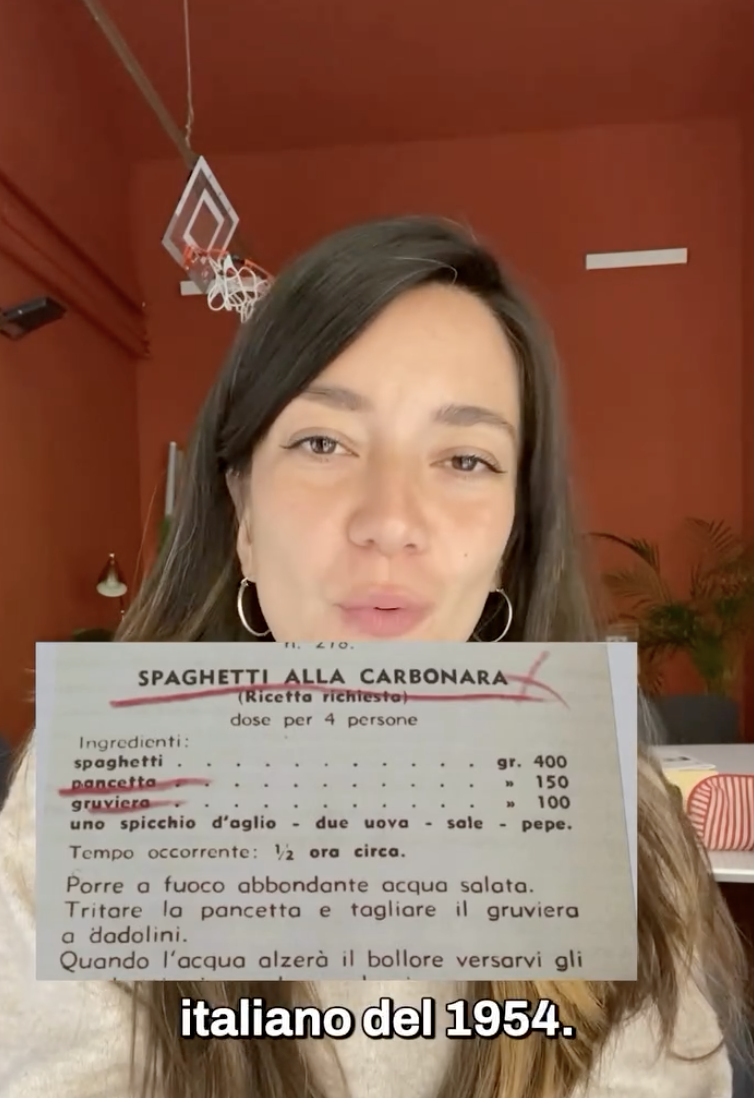
Cuisines and the dishes that make them up are birthed on a specific land at a specific time by a specific people. A combination of factors that may no longer be the case as time passes. Just because much of modern Roman cuisine sprung from “la cucina povera” for example, doesn’t mean it has to stay there as the country prospered, as agricultural practices changed due to climate and commerce, or as immigration patterns continue to shape the local pantry. What if Italians actively embraced a fuller, evolving spectrum of carbonara? What would a carbonara in the age of a warming, more multicultural, less industrial Rome look like? Before the Italians lose their collective minds at the mere suggestion of bastardizing a supposedly canonical recipe, let’s go back to that spoiler alert of there being no official carbonara recipe. Did you know that the first published recipes for carbonara didn’t even appear until the 50s, were likely American-influenced, and contained pancetta, Gruyere, and even cream (the horror!)1. So much for tradition! We may as well take a more honest and contextual look at a living cuisine rather than rely on a shared myth trapped in time2.

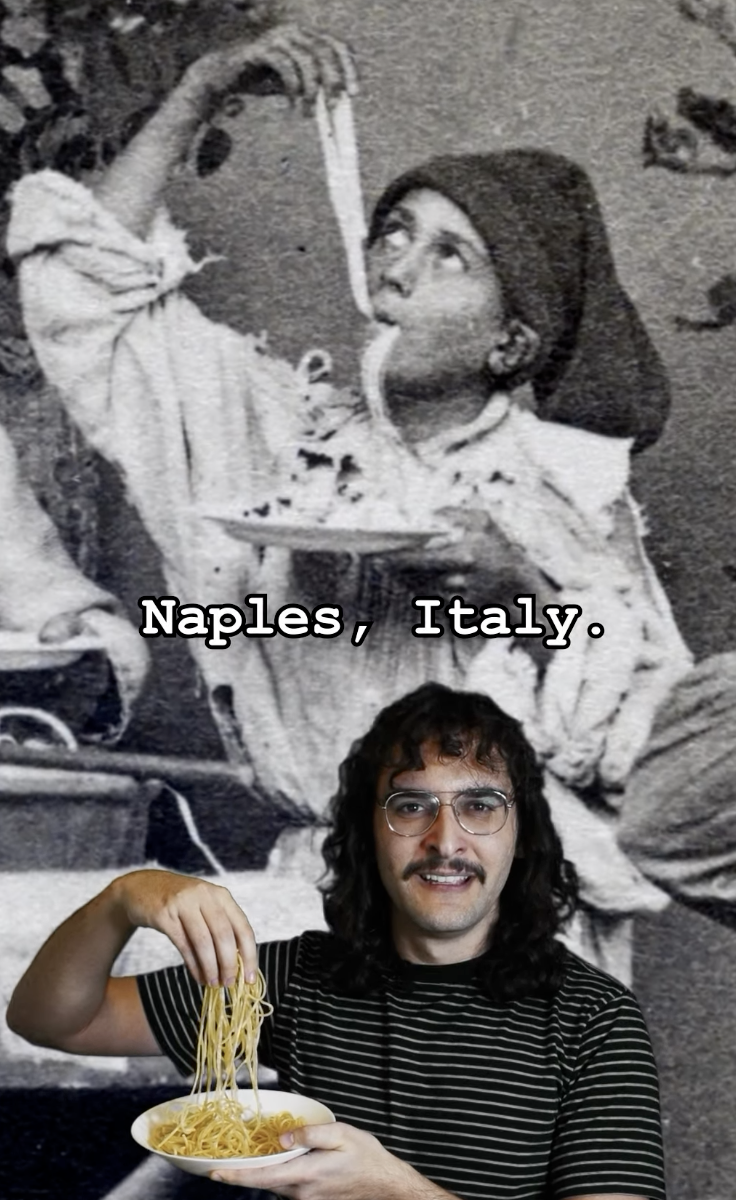
Secondly, we should ensure we’re arguing at the right “altitude”. Carbonara is a single dish (that ideally can contain variations). Adobo on the other hand is an entire family of related recipes so named only because a severely restricted linguistic range (and lack of imagination) on the part of the Spanish reduced countless recipes into a single name3. Variations are inherent at that “altitude”! So why then must we Filipinos argue on the “right/only” way to cook an adobo?
If despite the evidence to the contrary my Italian cousins would still insist on a single “right” way of making carbonara, then at least consider taking a broader view of the rest of your cuisine instead of fixating on a few cherished dishes. Let’s talk about how broad the world of pizza is rather than spend all our time arguing whether ananas belong on them and how Italians who are OK with it are traitors4. Or the infinite variations of pasta al sugo rather than yet another IG reel defending the purity of the same 3 dishes for the sake of views. You just might find your cuisine to be more exciting (and alive!) if you ease up on the wrist-flicking.
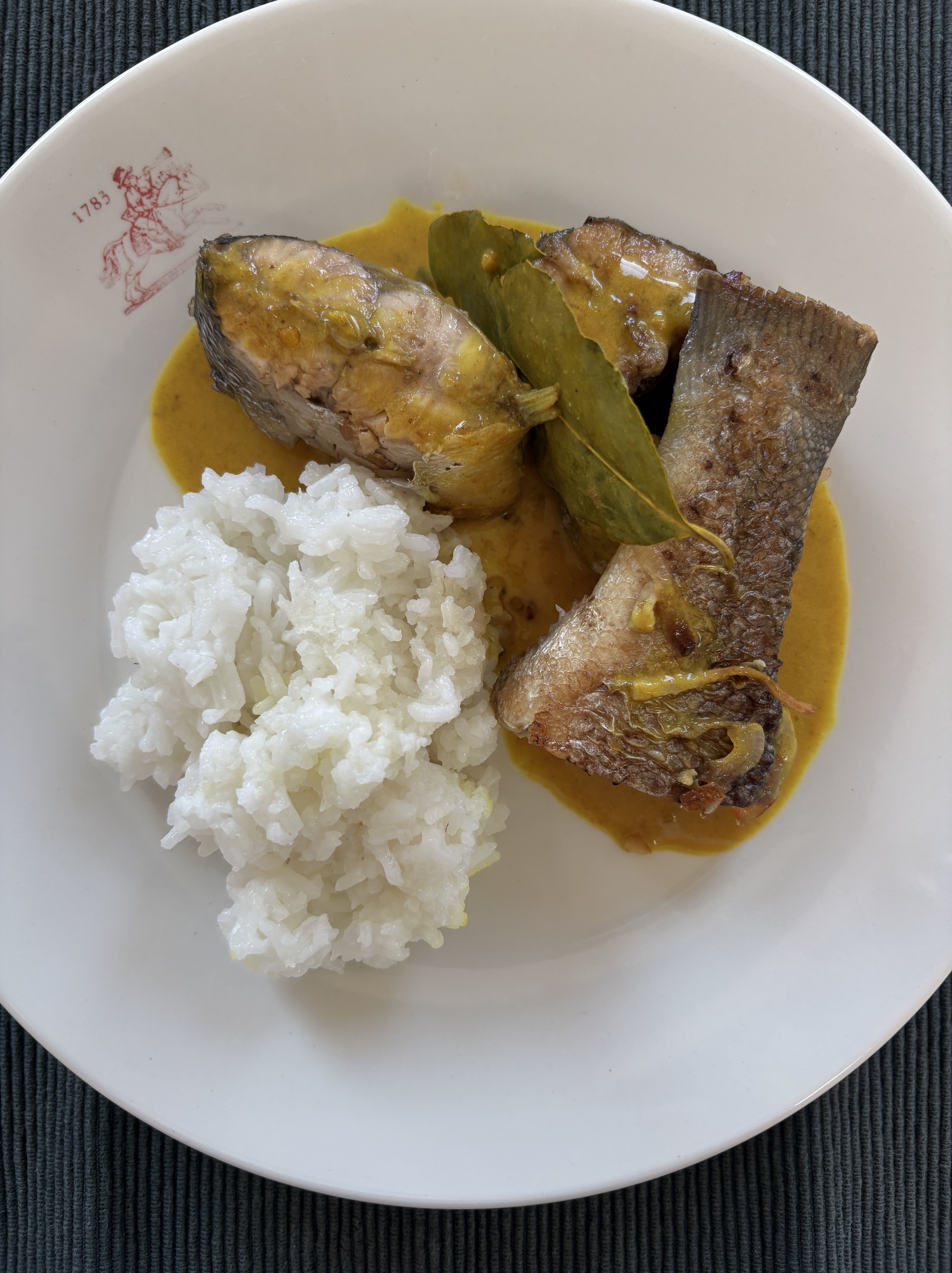
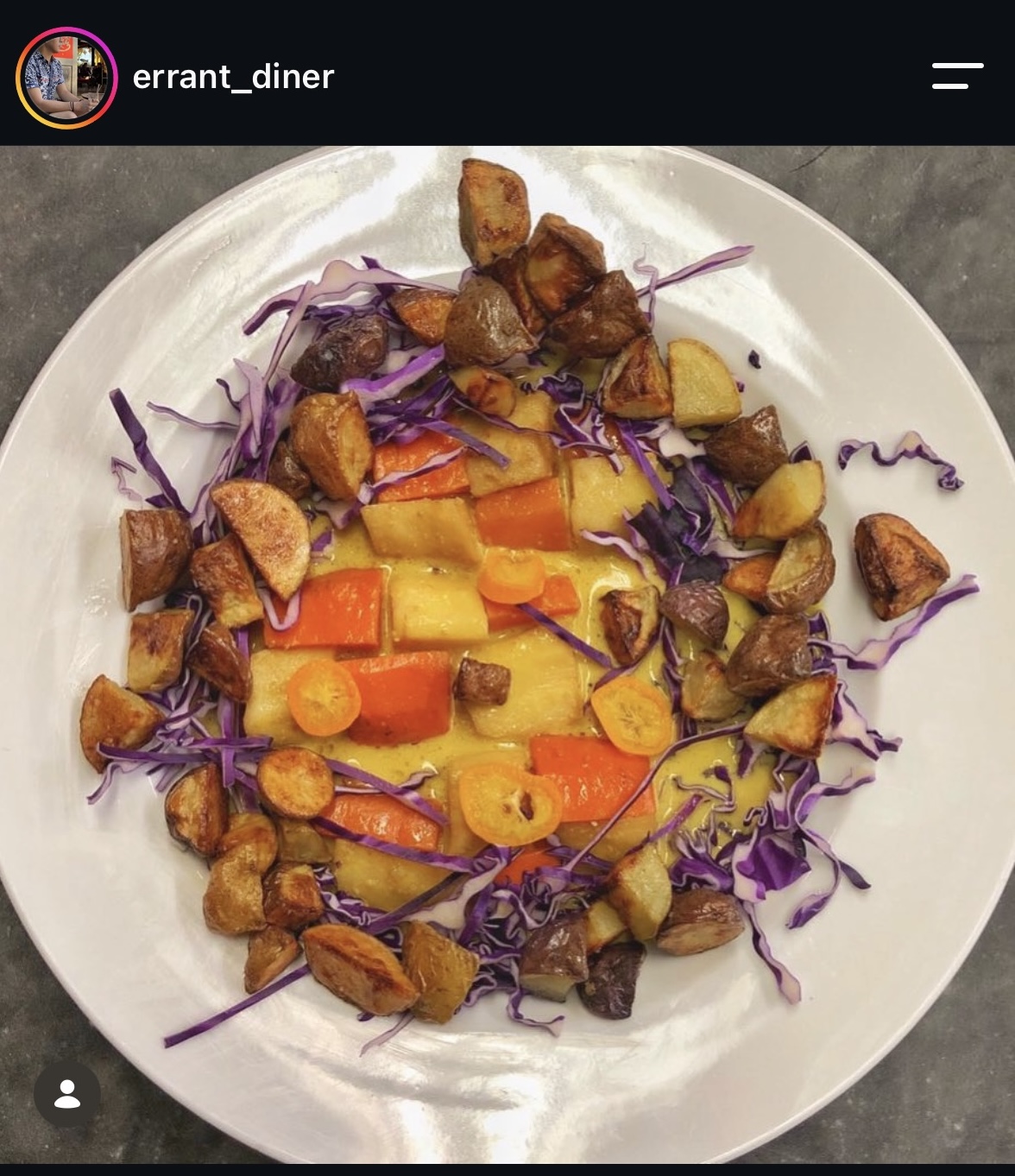
Filipino cuisine is, relative to other cuisines, more democratic, multicultural, and based on a land whose agricultural bounty is hard to match. So we can and should define our cuisines not by the “right” way to do things but in the way that fully captures the breadth and depth of our tastes be you an OFW in Dubai, a 4th generation Tsinoy in Binondo, or a recent immigrant to Milano. To the Italians who also have a cuisine built on a bountiful land that’s more multicultural than they’d like to admit, perhaps taking on a bit more of that Filipino flexibility may just reveal to you a cuisine that is alive, inclusive, and still evolving.
- This revelation from DOI Podcast, amongst others. ↩︎
- As useful as culinary myths are in building a national identity. See: Pad Thai. ↩︎
- The same deficiency afflicted the British when they decided everything Indian was just “curry”. ↩︎
- I have yet to hear an Italian explain: 1) why it doesn’t belong, 2) how they know it doesn’t despite never having tried it, and 3) why ananas is not allowed but somehow pears are. Much of the argument it seems is simply because ananas just doesn’t fit the Italians’ arbitrarily narrow definition of what they’re used to. ↩︎

