“Trust but verify”. It’s a phrase I heard working with sales teams in tech cos. though I didn’t realize until later that the proverb has Russian origins and proliferated during the Cold War. No surprise seeing as most Western sales teams I’ve encountered have a penchant for sports and military platitudes. In any case it’s a saying I kept in mind on two recent trips to Lyon, France and Bologna, Italy, two cities widely regarded as their respective countries’ – even the world’s – culinary capitals. Trust but verify.
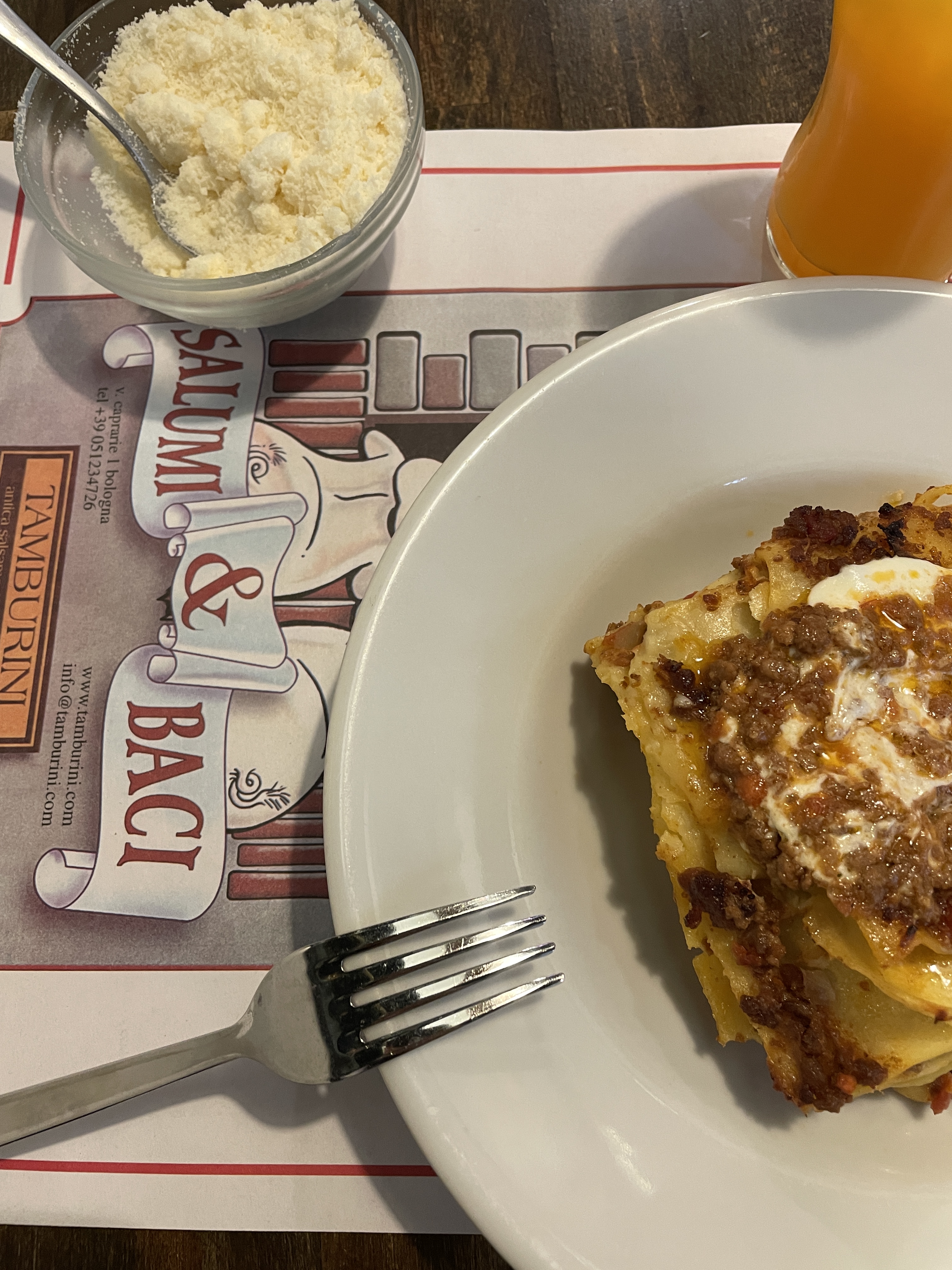

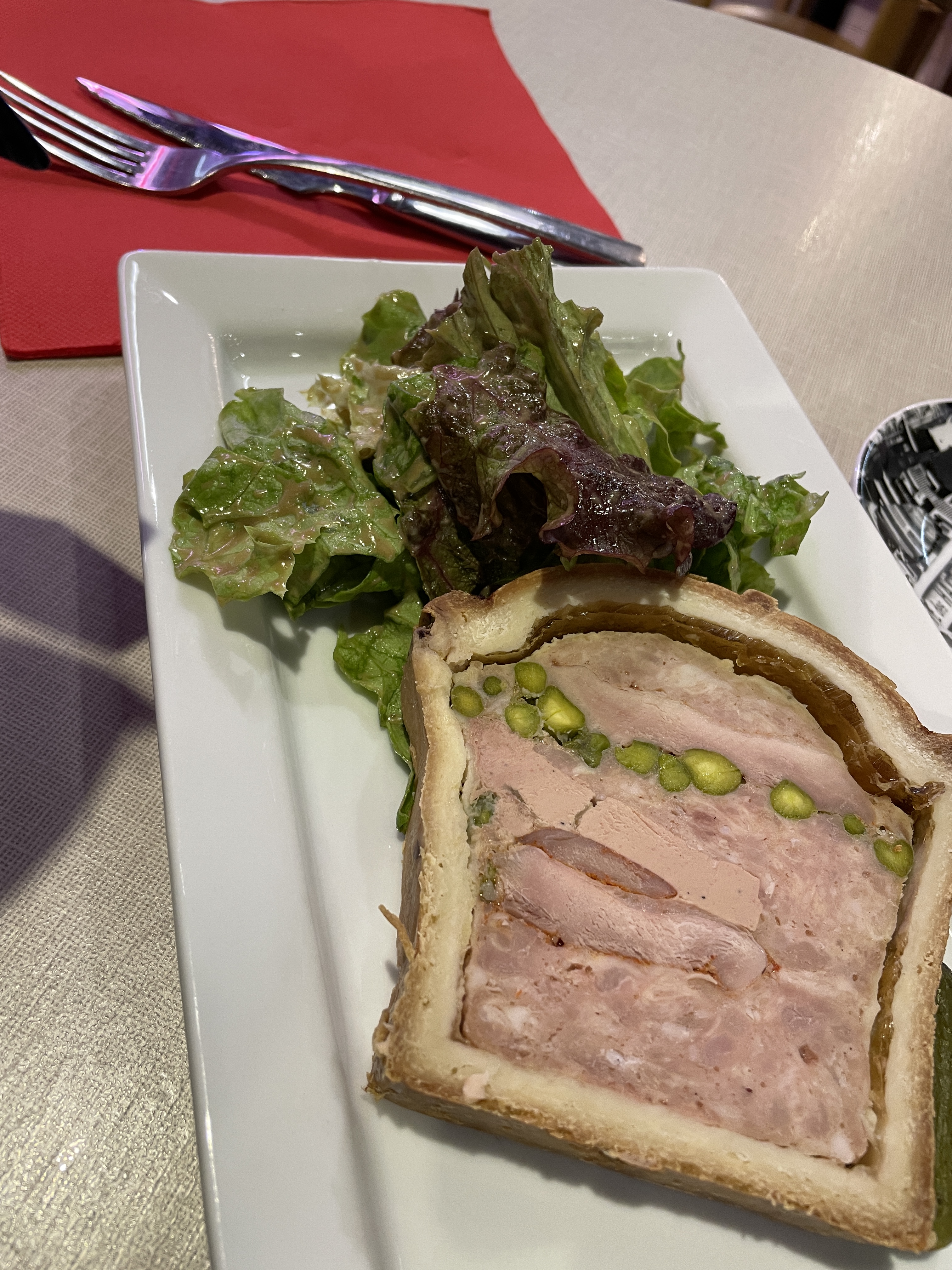
There are obvious markers I suppose of what appends such labels to cities: pedigreed restaurants, pride and high regard for iconic dishes (ragù alla Bolognese), shared narratives and rituals with which to contextualize the food (the Mères Lyonnaise and the mid-morning mâchons in the bouchons of the city). After dining at both cities (full disclosure I stayed no more than a week at each), my preliminary response to those who asked was that I can see why the moniker of “culinary capital”, though only in an academic sense. Both cities have created a graspable idea of their place in the culinary world complete with memorable characters, modes of preparation, now familiar aesthetics, and vocabulary. I can only eat so much lasagna or quenelle Lyonnaise though so the sentiment never really extended beyond the cerebral. That’s not to say the food was bad. Far from it! Tortellini in brodo with a puff of parmigiano was invigorating on a rainy spring day while paté en croute with a glass of wine for a heavy start to the weekend was a strange luxury.


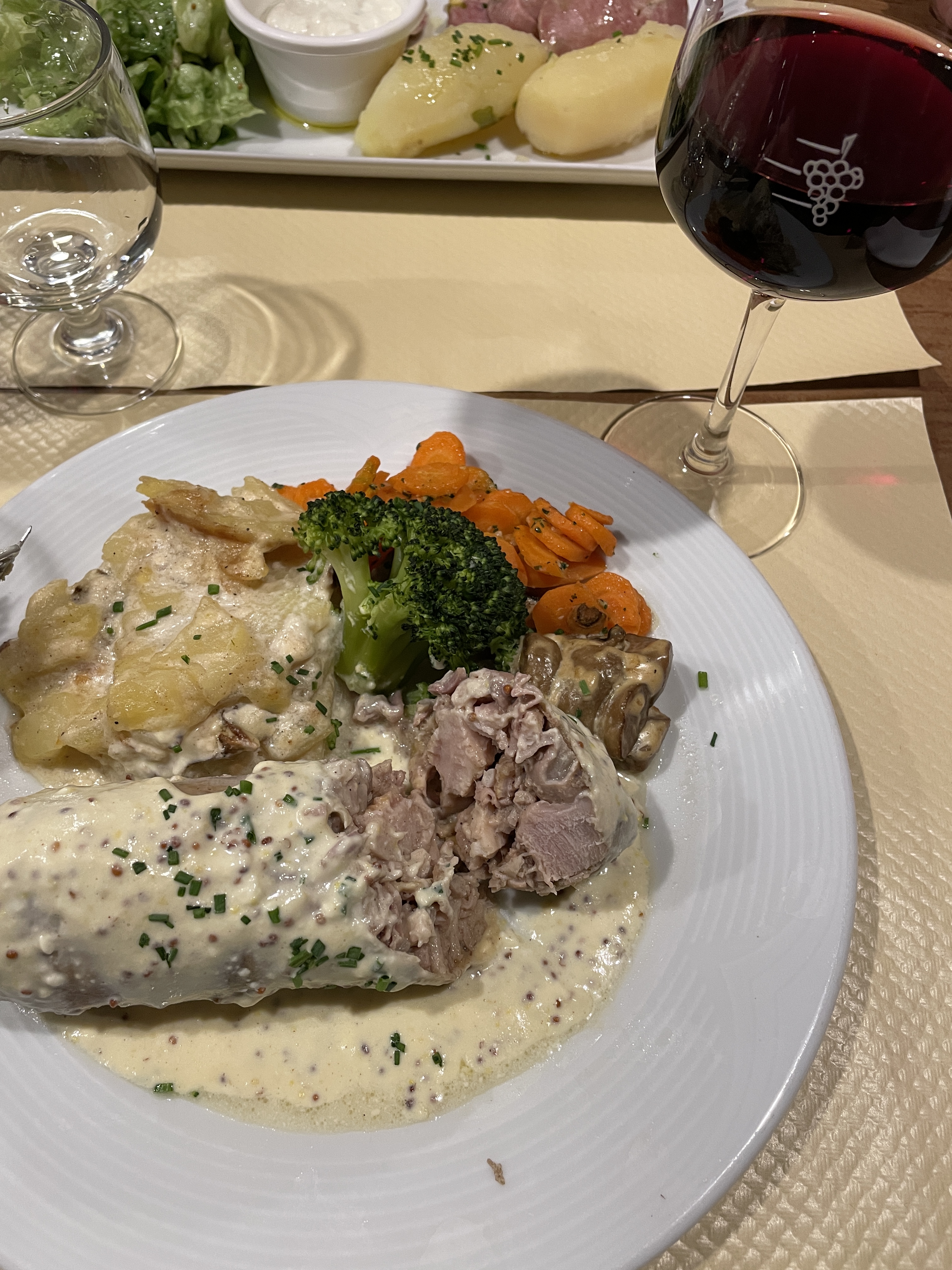
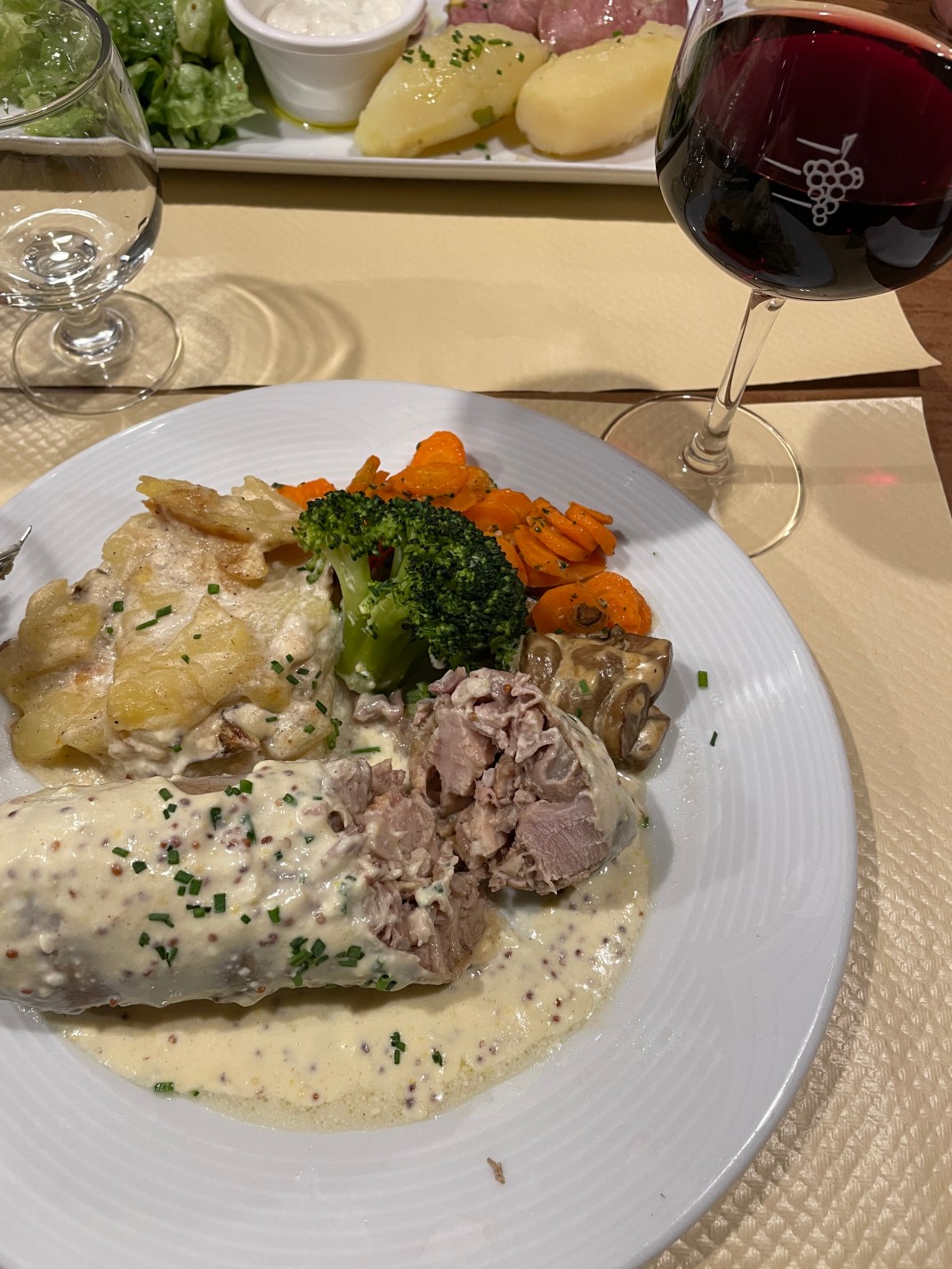
Yet I found myself looking at the dishes, supremely rich and simply done, and thought: “Is this it?”. Granted a lot of these dishes came from leaner days (the mâchon was a meal eaten by silk workers after a long night of working) but shouldn’t they, coming from so-called culinary capitals, catapult me into sublimity? Aren’t these supposed to be the best of the best? Superlative in some way be it complexity, luxury, ingredient quality, or an impossibly defined subjective measure of taste? Things to make me go “omg I’ve never tasted anything like it!”. Perhaps the idea of a culinary capital has less to do with the actual food than the stories that surround it and the privilege and preferences of those who get to tell those stories.


A larger than life mural of Paul Bocuse in front of his namesake Les Halles, the white toques, evocative names like Rosette de Lyon to describe a cured sausage. These things tell us, “You are entering serious gastronomy territory”. Cuisines cemented by tour guides, specificity in dish names, the relationship between our perception of the culture and price. These signal to us, “This is ‘refined’ stuff”. But strip it all down to the actual dishes and you get this strange disconnect where somehow gramigna alla salsiccia – a type of pasta served with sausage – exceeds the technically more complicated shark lor mee served in a Singaporean hawker stand in terms of price and romantic appeal. Where the fried tripe of the tablier de sapeur served with boiled vegetables is lauded over a complexly-spiced bhindi masala. I get that in matters of taste, comparison is an impossible task. De gustibus. I have also mostly lived in Western cultures who had entirely different terroirs and thoughts around how food should be served and eaten. It’s the context that matters such that these cities, within their particular space, can be given such titles by their own denizens and foreigners who hold a certain image of the cuisine. It makes such titles deceptive though given that we aren’t comparing apples to apples (or offal to offal).
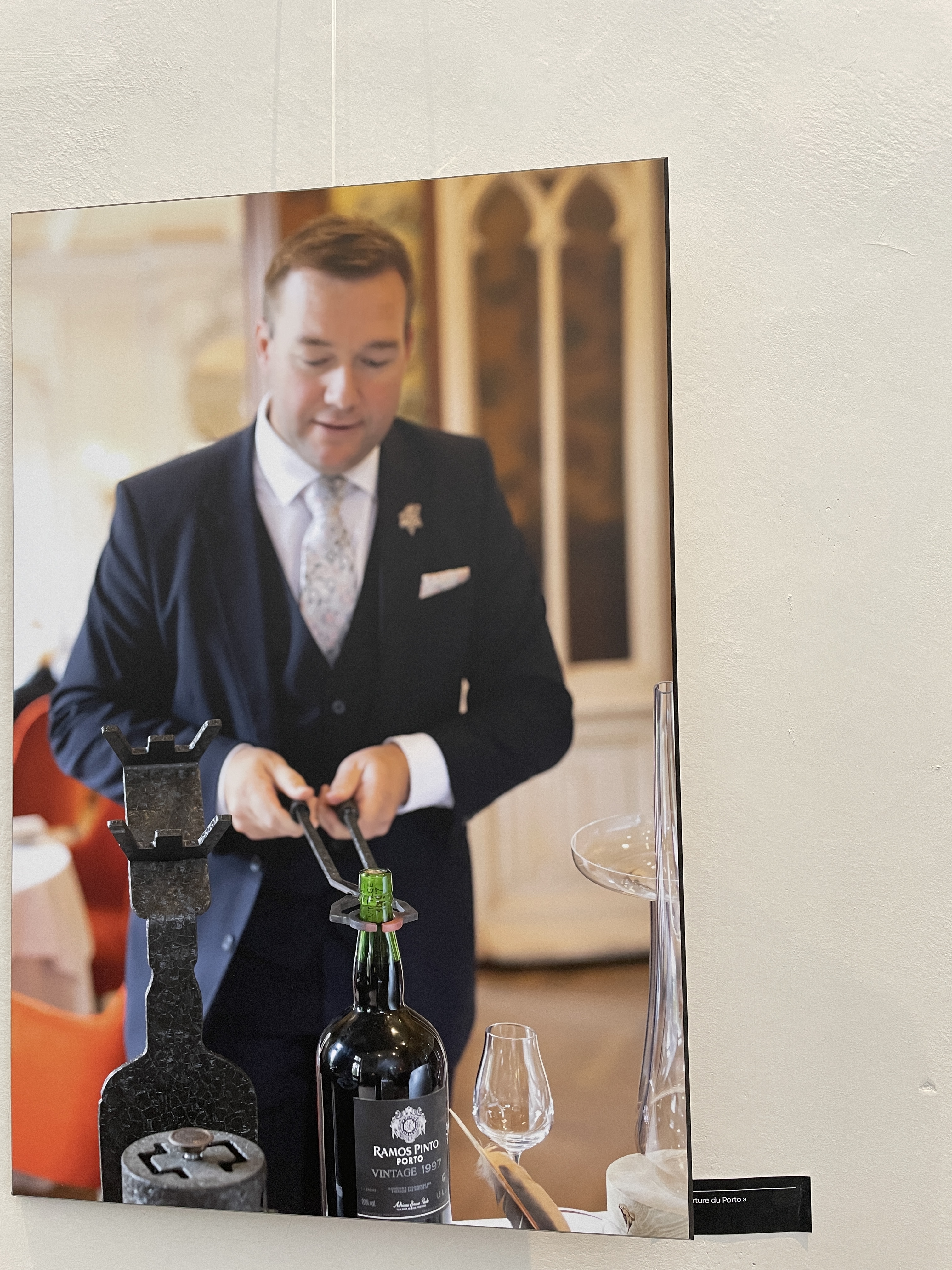
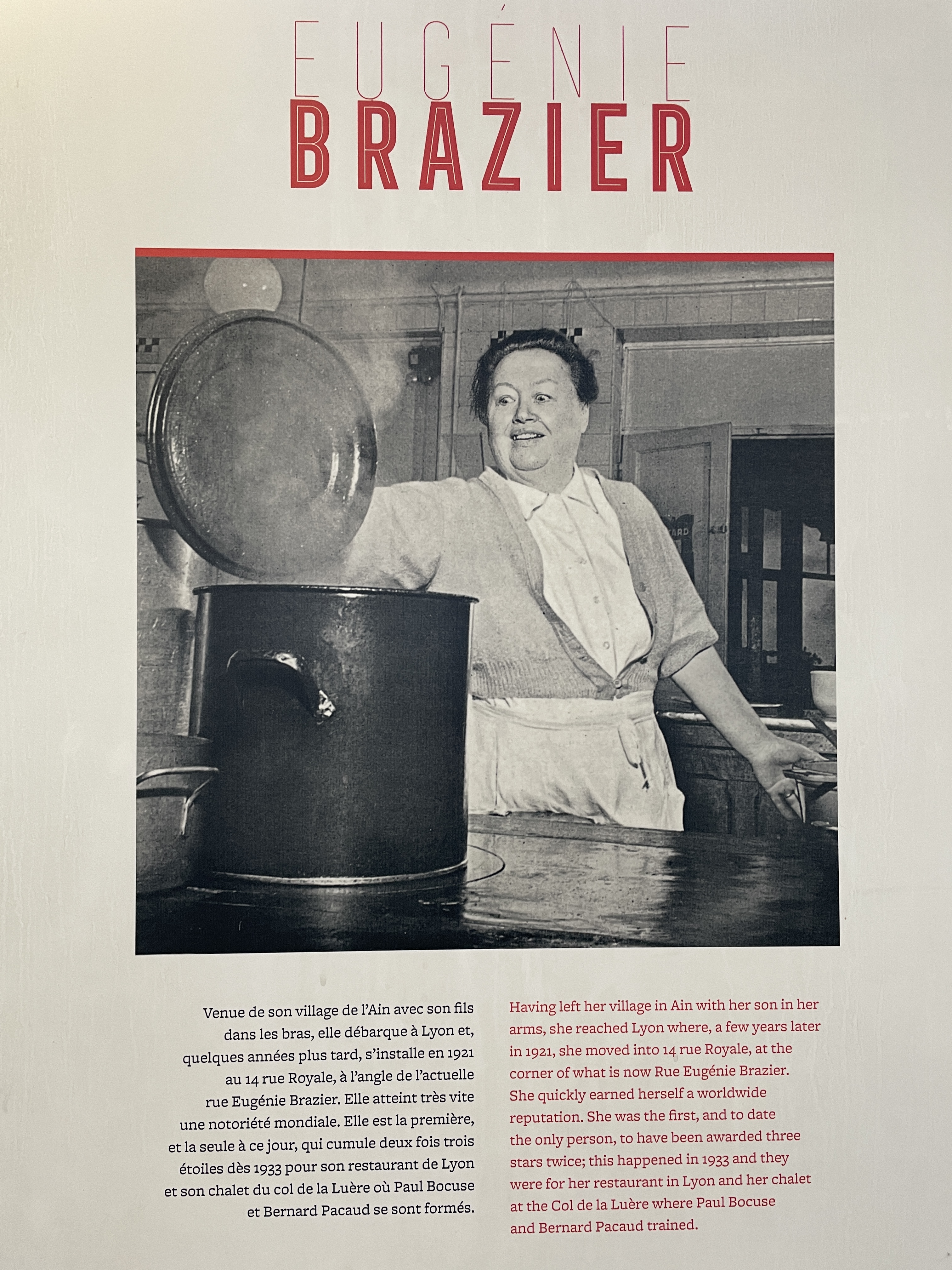
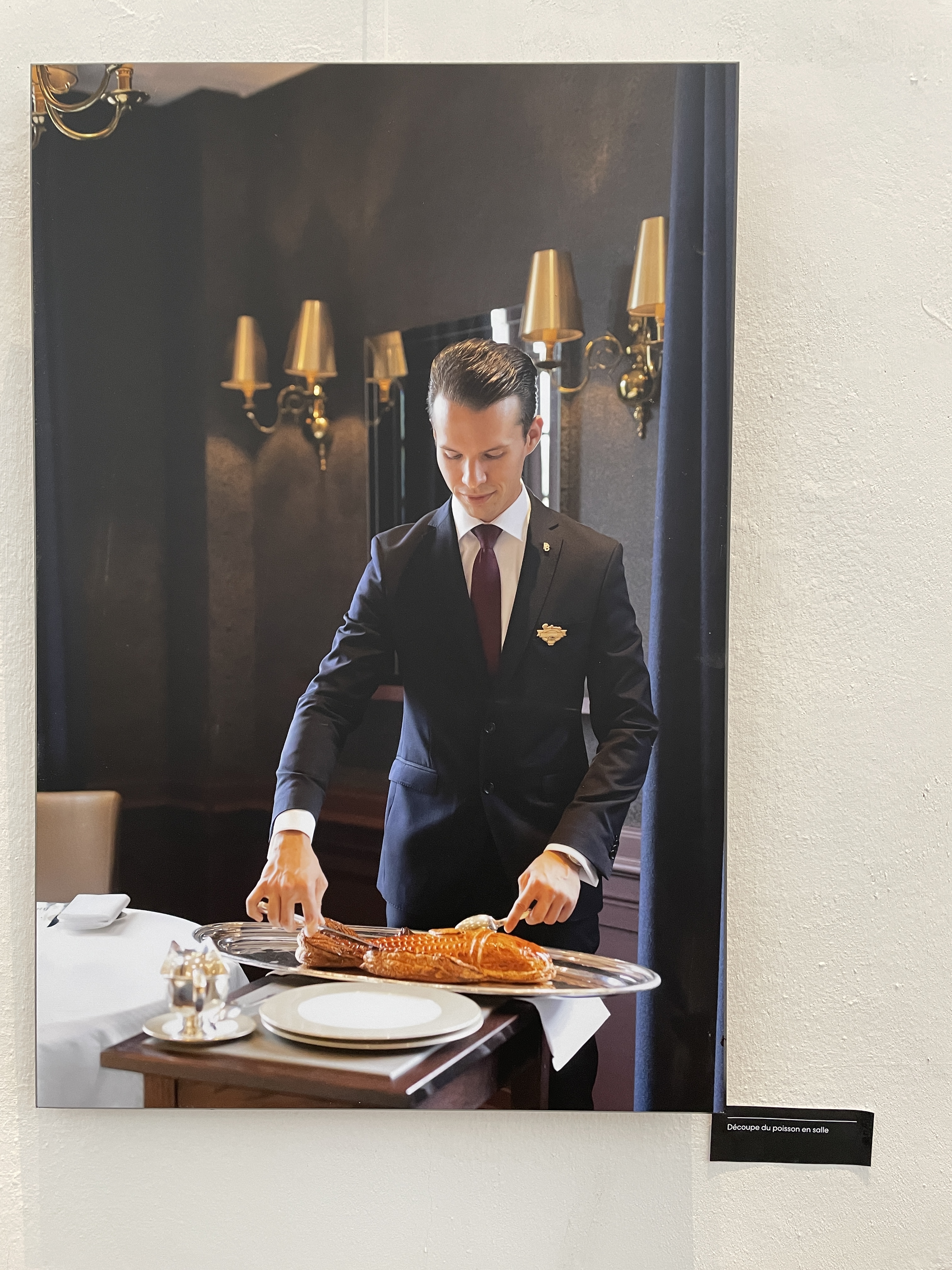
Perhaps it has nothing to do with the dishes. Perhaps it doesn’t even matter. The Oscars are white because the judges are too. Lyon and Bologna are listed as such because the people listing them are like the couple I met in a Bolognese trattoria who have only traveled to and from Italy over many years but somehow say “Italian food is the best” with a certain authoritative finality lacking any other point of comparison. They are culinary capitals because people have simply said so sans any real measurement. If someone were to go through the effort of using a different measure to define what a culinary capital is aside from sentiment however, there are likely other societies out there who have contributed or were forced to contribute more to our global palate (see: sugar from the Caribbean and cacao from Ghana, Ayurvedic and imperial Chinese cuisine). When you erase entire swaths of societies’ cultures, reducing them to singular labels like “adobo” or “curry”, the idea of a “culinary capital” is not so much an objective term, much less a commonly accepted subjective one. It is an arbitrary stickie note afforded to those who get to own and tell their stories.
“In 2010, Unesco inscribed the Gastronomic Meal of the French on the Representative List of the Intangible Cultural Heritage of Humanity as a “festive social practice” […] It is characterised by its rituals: the search for good produce, culinary skills, knowledge of local production, table art, the order of service, […]. At the table, the French share the pleasure of taste, spend time together and celebrate the produce that nature provides.“
– Excerpt from an exhibit at the Cité Internationale de la Gastronomie de Lyon … though can be said of anywhere.
 The Errant Diner